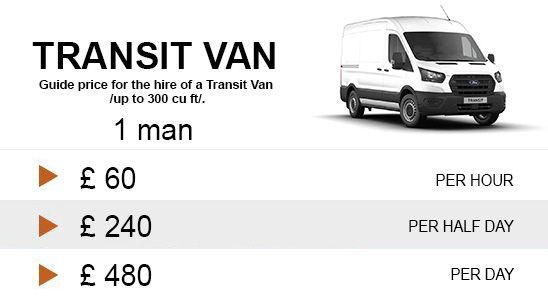
Southwark Council parking rules for same day removals SE17
Posted on 19/06/2026
Southwark Council parking rules for same day removals SE17: a practical guide for a smoother move
If you are trying to organise a move in SE17 at short notice, parking is usually the bit that turns a simple day into a stressful one. The van needs space, the loading time is tight, the street may already be busy, and nobody wants a ticket landed on the mat a week later. This guide explains Southwark Council parking rules for same day removals SE17 in plain English, so you can plan the day properly, reduce risk, and keep the move moving. We will look at how parking permissions usually work, what to check before the van arrives, and how to avoid the common mistakes that catch people out. Truth be told, a bit of parking planning can save a whole lot of faff.
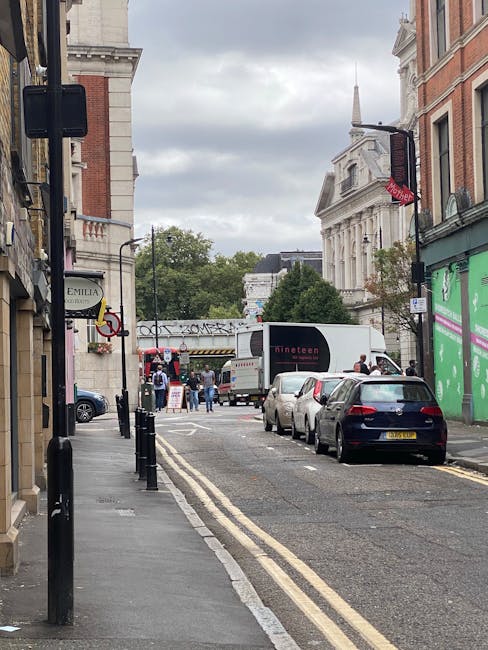
Why Southwark Council parking rules for same day removals SE17 Matters
Parking rules matter because removals are time-sensitive. Same-day moves depend on a chain of small details going right: the vehicle gets close enough to the entrance, the route is clear, the loading time is realistic, and the crew can work without circling the block. In SE17, where streets can be narrow and parking can be tight, even a short delay can ripple through the whole day.
For many people, the parking issue only becomes visible when the van is already on the way. That is usually too late. If you are moving out of a flat, a house, or an office, you may need to think about bay restrictions, permit bays, waiting restrictions, suspended bays, access barriers, and whether the van can legally stop where you hope it can stop. The difference between "we're fine" and "we've got a problem" is often just one overlooked signpost.
This is especially relevant for same-day removals because you do not have the luxury of drifting through the morning and sorting it later. You need a workable plan. If you are booking a vehicle through a local team such as a man and van in Elephant and Castle, the parking plan should be discussed alongside the move plan, not after it. That's the sensible bit, anyway.
Expert summary: the goal is not just to find any space. The goal is to find legal, practical, and close enough parking for the duration of the load or unload, with enough flexibility for delays, neighbours, and the realities of London traffic.
How Southwark Council parking rules for same day removals SE17 Works
At street level, parking rules in Southwark tend to revolve around three things: where the vehicle is allowed to stop, how long it can stay there, and whether any permit or suspension is needed. For removals, you are usually not thinking about a full-day parking stay. You are thinking about a loading stop, which can be treated differently from ordinary parking. But that does not mean you can assume it is automatically fine.
The first question is always location. Some streets are covered by controlled parking, some have resident bays, some have shared-use bays, and some have loading restrictions at certain times. A removals van can sometimes use a loading bay or a legal kerbside stopping spot if the stop is genuine, active, and not in conflict with local restrictions. But the details matter. A lot.
The second question is timing. Same-day removals often happen in a hurry, but the council does not usually relax the rules just because the schedule is tight. If a permit, dispensation, or bay suspension is needed, it generally needs to be arranged before the van arrives. When that is not possible, you may need to work with the nearest safe legal option and adjust the move plan accordingly.
The third question is vehicle size and access. A smaller van may fit into a short space that a larger removal vehicle cannot use. If you are comparing options, the page on removal van options in Elephant and Castle can help you think through which type of vehicle suits your street and load. Honestly, in SE17, the size of the van can make or break the day.
Here is the practical reality: parking compliance for a same-day move is not just about avoiding fines. It is about keeping the crew productive. If the van is left too far away, every item has to be walked further. That adds time, effort, and sometimes risk to furniture, flooring, and door frames. Not ideal when you are already carrying boxes and a kettle that somehow weighs more than it should.
Key Benefits and Practical Advantages
Planning parking properly gives you more than legal peace of mind. It improves the move itself. You will notice the difference almost immediately once the team can park near the property and get on with the load without awkward detours.
- Less delay: the crew spends less time searching for a space and more time loading.
- Lower risk of penalties: a clear parking plan reduces the chance of a ticket or enforcement issue.
- Safer handling: shorter carrying distances usually mean fewer bumps, drops, and strained backs.
- Better time control: same-day removals stay closer to schedule when access is predictable.
- Less neighbour friction: no one enjoys blocking a driveway or sitting in a bay that causes complaints.
There is also a calmer psychological benefit. Moving day can feel noisy and slightly chaotic, with doors open, footsteps on communal hallways, and everyone checking the time every five minutes. If parking is already sorted, that background stress drops. And that matters more than people admit.
If you are weighing up service options, the broader services overview gives a useful sense of how moving help can be structured, while same-day removals in Elephant and Castle is the right place to understand the urgent-move side of things. The move tends to go better when the parking plan and the service plan are treated as one job.
Who This Is For and When It Makes Sense
This topic is relevant to anyone trying to move in SE17 on a short timetable, but some people benefit more than others. If you are moving a flat's worth of belongings from a street with tight parking, you are probably in the highest-risk group. If you are on a deadline because a tenancy ends at noon, or because keys are being handed over the same afternoon, parking becomes a real operational issue rather than an admin detail.
It also makes sense for people moving from shared houses, students moving out at the end of term, and small businesses shifting stock or equipment in a hurry. A short stop may be enough, but only if access is practical and legal. That is the bit people forget while focusing on the boxes.
You may also need this guidance if you are coordinating a larger removals team and a secondary vehicle, or if you are moving bulky items such as wardrobes, sofa beds, or a piano. For the heavier side of things, furniture removals in Elephant and Castle and piano removals in Elephant and Castle are useful examples of where access planning really starts to matter.
And yes, if you are the one holding the keys and the phone and the parking worry at the same time, you are not overthinking it. You are just being sensible.
Step-by-Step Guidance
If you want a smoother same-day move, use this sequence. It is simple, but the simple stuff is often the stuff that gets missed.
- Check the property location carefully. Look at the road name, nearby junctions, and any obvious restrictions outside the building. In SE17, the difference between one side of a street and another can be annoyingly important.
- Identify the closest legal stopping point. A legal loading area, a permit bay, or a sensible kerbside location may all be possibilities. The key is not to assume. Check first.
- Decide what vehicle size is realistic. A bigger vehicle is not always better if the street is tight. Sometimes a compact option makes the whole operation easier.
- Ask whether a parking arrangement is needed. Depending on the street, you may need a permit, bay suspension, or another form of arrangement. If that is required, same-day timing can be tricky.
- Build a buffer into the move. Same-day removals rarely run to a perfect minute-by-minute script. Give yourself a little breathing room for lifts, keys, and traffic.
- Prepare the load-out route. Clear hallways, unlock doors, and keep the pathway free. A clean route helps more than people expect.
- Keep one person available to manage access. Someone should be ready to speak to the driver, guide loading, and deal with any last-minute issue.
That sounds basic, but basic is good. In our experience, a well-chosen parking spot and a tidy loading route do more for the move than one extra pair of hands standing around, wondering where the tape has gone.
If you are still at the planning stage, it may help to review the wider move support available through removal services in Elephant and Castle or see how the man with a van service is typically used for short-notice moves and smaller loads.
Expert Tips for Better Results
Parking in London rewards people who think one step ahead. Not ten steps. Just one or two. That is usually enough.
- Do a real-world street check the day before: if possible, stand outside the property and look at the signs, not just the map view.
- Plan for the van to arrive slightly early: not because you want to rush, but because parking often takes longer than the actual drive.
- Keep documentation handy: if any permit or approval exists, have it ready to show. A frantic search on your phone in the rain is not ideal.
- Protect your loading time: avoid arranging the van right in the middle of peak traffic if you can help it.
- Choose the nearest workable space, not the prettiest one: the best space is the one that keeps things moving without creating problems.
A small human detail here: removals often start with confidence and end with a box of random cables nobody can identify. That is normal. Parking, though, should not be left to chance. Sort the road side first and the rest gets easier.
If your move also involves temporary holding or staggered drop-off, you may want to think about storage in Elephant and Castle. That can reduce pressure on the vehicle schedule and make parking choices a lot simpler. Sometimes the clever move is not moving everything all at once.

Common Mistakes to Avoid
Most parking headaches on moving day are predictable. They come from assuming too much, checking too little, or leaving arrangements until the last possible minute.
- Assuming a van can stop anywhere for "just five minutes". Five minutes can still be enough for enforcement to intervene if the stop is not allowed.
- Ignoring loading restrictions. A street that looks open may still have a time-based loading ban.
- Choosing the wrong vehicle size. A van that is too large for the road can slow everything down or create a new access issue.
- Not checking for bay suspensions or temporary changes. Streets change. Roadworks, events, or local works can alter what is possible.
- Leaving one person to "sort the parking" while everyone else waits inside. That usually means confusion, not control.
- Forgetting building access issues. Lift timings, key collection, and concierge rules can affect how long the van actually needs to stay.
The tricky bit is that no single mistake always looks serious on its own. But together they create a chain reaction: waiting, walking further, rushing, then pressure. And pressure is when things get scratched or forgotten.
So yes, being slightly boring about the parking details is a strength here. Boring saves money. Boring saves time. Boring is underrated.
Tools, Resources and Recommendations
You do not need complicated tools for this. You need a few sensible checks and the right service pages to guide the move planning. Start with the property details, the road layout, and the vehicle size you are considering. Then work backwards from the loading point.
If you want to compare the practical side of different move options, the man and van Elephant and Castle page is helpful for understanding a flexible approach, while removal companies in Elephant and Castle can be useful if you are weighing up a more structured move. For broader planning, removals in Elephant and Castle gives a wider picture of how the service fits together.
Other practical resources you may find useful within the website include packing and boxes in Elephant and Castle, especially if you want the load to be efficient and manageable, and the health and safety policy if you want reassurance about how the work should be handled responsibly.
For local context, it also helps to understand the area itself. SE17 includes a mix of residential streets, busy routes, and changing local conditions. A move that seems simple on paper can feel different once you are standing on the pavement hearing traffic, buses, delivery vehicles, and the odd impatient beep. That is just London, really.
Law, Compliance, Standards, or Best Practice
Parking arrangements sit within local traffic and parking controls, and those controls should be respected even during a removal. The safest approach is to treat any special stop as something that needs to be justified, timed, and carried out properly. Do not rely on guesswork. Do not assume a removals job creates a blanket exemption.
Best practice usually means checking the relevant street restrictions, considering whether a loading stop is actually permitted, and making sure the vehicle does not block pedestrians, driveways, crossings, or emergency access. It also means being mindful of neighbours and residents. A rushed move can still be a considerate one.
From an operational point of view, the cleaner your plan, the better your compliance position tends to be. That includes:
- knowing where the vehicle will stop;
- keeping the loading period as tight as practical;
- using the correct vehicle for the street;
- avoiding obstruction;
- and responding quickly if the original plan changes.
If a particular street or time slot looks risky, it is better to adapt than to force it. Compliance is not only about rules; it is about reducing avoidable problems. A cautious approach often ends up being the fastest one in the long run.
Options, Methods, or Comparison Table
When you are planning parking for a same-day move, you usually have a few broad options. The right choice depends on the street, the timing, and how much you are moving.
| Method | Best for | Pros | Trade-offs |
|---|---|---|---|
| Kerbside loading stop | Short, straightforward unloads where stopping is allowed | Fast access, simple logistics | Can be restricted by signs, time limits, or traffic flow |
| Permit or controlled bay arrangement | Residential streets with parking controls | More structured and predictable if arranged correctly | Usually needs advance planning |
| Smaller vehicle approach | Narrow roads, tight corners, tricky access | Easier manoeuvring, often less disruption | May require more trips if the load is large |
| Staggered move with storage | Complex moves or timing gaps | Less pressure on parking and loading time | Requires an extra step in the process |
There is no perfect method for every street. The point is to match the approach to the road conditions, not just the moving date. If you are not sure which route is the least painful, pricing and quotes can help you compare the practical setup rather than guessing blindly.
Case Study or Real-World Example
Imagine a small flat move in SE17 on a Friday afternoon. The tenant has keys until 4 pm, the van is booked for early afternoon, and the building sits on a street where parking is already tight. Nothing dramatic, just the sort of move that can go sideways if the parking is left vague.
In the first version of the plan, the van driver arrives, spots a place a little way down the road, and the team assumes that will do. The problem is that the carrying distance is longer than expected, the lift is slow, and the weather has that grey, damp London feel that makes every cardboard box look a bit tired. By the second or third trip, everyone is feeling it.
In the better version, the driver and mover coordinate before arrival, pick the closest workable legal stop, and keep one person on access duty. The load is staged near the entrance, the route is clear, and the parking issue never becomes the main event. The move still has the usual oddities - a missing charger here, a wobbly dining chair there - but it stays under control.
That is the real lesson. Good parking planning does not make moving glamorous. It just makes it manageable. And manageable is a lovely word on moving day.
If you are dealing with a flat specifically, the page on flat removals in Elephant and Castle is a good reminder that stairs, lifts, and access all play into the parking decision too.
Practical Checklist
Use this checklist before the van turns up:
- Confirm the exact property address and nearest access point.
- Check any parking signs directly outside the building.
- Decide whether a loading stop, bay, or alternative option is realistic.
- Confirm the vehicle size with the move provider.
- Ask whether any parking arrangement needs to be made in advance.
- Prepare permits, approval details, or reference information if relevant.
- Clear hallways and the route from the property to the vehicle.
- Keep one person available to manage access and speak to the driver.
- Allow time for traffic and minor delays.
- Have a backup plan if the first parking option is blocked or unavailable.
Quick takeaway: if the parking plan is vague, the whole move feels harder. If the parking plan is clear, the rest tends to fall into place more smoothly.
Get a free quote today and see how much you can save.
Conclusion
Southwark Council parking rules for same day removals SE17 are not something to leave until the van is already outside. The local streets can be awkward, the timing can be tight, and a small parking mistake can quickly become a big moving-day headache. But with a sensible check of the road, the vehicle size, the loading position, and any permit or restriction issues, the whole process becomes much more manageable.
The best approach is simple: plan the parking first, then the lifting, then the timing. That order saves stress. It also saves money in ways that do not always show up on the invoice. If you are moving soon, take the parking piece seriously and the day will usually feel a lot less frantic. A calmer move is a better move, plain and simple.
And if all else fails, remember this: most moving problems are fixable when they are spotted early. That little bit of foresight goes a long way.